
We check which of your debts an IVA can cover
An IVA only helps if it covers the debts that are causing you problems. When you contact IndividualVoluntaryArrangements.net, we go through each of your debts with you and explain which could be included, which couldn't and how the rest would be handled in your budget. That includes credit cards, loans, overdrafts, council tax, energy arrears, tax debts and Buy Now Pay Later balances.
If most of what you owe can't be included, such as student loans or secured debts, an IVA may not be the right tool, and we'll tell you that at the start.
Before you get in touch
- List every creditor and the rough balance, however small
- Note any debts secured on your home or car
- Gather recent letters from creditors or enforcement agents
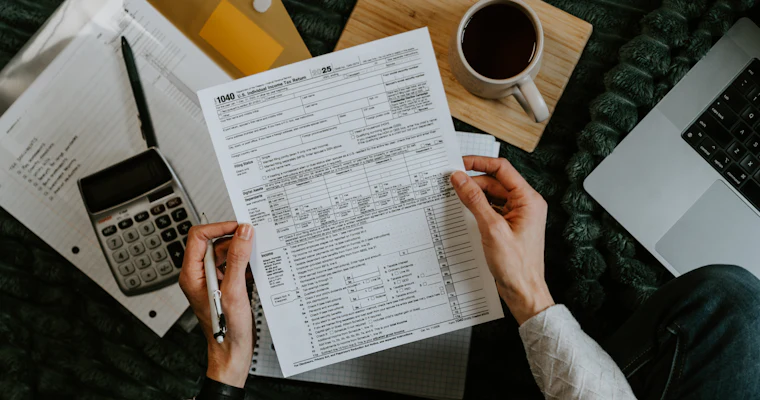
An IVA can include most unsecured debts, meaning debts that aren't tied to an asset like your home. Secured debts and certain types of debt set out in law can't be included.
Debts that can usually be included
- Credit cards and store cards
- Personal loans and payday loans
- Bank overdrafts
- Catalogue debts and Buy Now Pay Later
- Doorstep loans
- Council tax arrears
- Gas, electricity and water arrears
- Income tax and VAT owed to HMRC, in most cases
- Benefit and tax credit overpayments (unless caused by fraud)
- Unsecured debts owed to friends or family
- Debts from a business you ran as a sole trader
- The shortfall left after a home or car is repossessed
Debts that can't be included
- Mortgages and secured loans. These are secured on your home, so you keep paying them as normal.
- Student loans from the Student Loans Company.
- Magistrates' court fines and other criminal penalties.
- Child maintenance arrears arranged through the Child Maintenance Service.
- Debts arising from fraud.
- Hire purchase and logbook loans usually need to be dealt with separately, as the lender owns the vehicle until it's paid off.
Debts that can't be included still need to be paid. Your Insolvency Practitioner will normally include these payments in your budget so that your IVA remains affordable.
Priority debts
Some debts carry more serious consequences if you don't pay, such as losing your home, having your energy supply affected or facing enforcement action. These are known as priority debts and include rent and mortgage arrears, council tax, energy bills and tax. Some priority debts, like council tax arrears and energy arrears, can be included in an IVA, but your ongoing bills must be kept up to date.
Car finance during an IVA
If you have hire purchase or a PCP agreement, the car belongs to the finance company until the agreement ends. The agreement is usually kept outside the IVA, and the monthly payments are included in your budget if the car is reasonably needed, for example for work. If the car is expensive, you may be asked to swap to something more modest.
Joint debts
If you have a joint debt with someone else, you can include it in your IVA, but the creditor can still ask the other person to pay the full amount. Speak to the other person before you go ahead.
Not sure where your debts fit? Our types of debt guide explains how different debts are treated across all the main debt solutions.
Debts people often forget to mention
Anything left out of your IVA proposal isn't covered by it, so take time to list every debt. These are the ones people most often overlook:
- Buy Now Pay Later balances spread across several apps.
- Old overdrafts on accounts you no longer use.
- Catalogue and store accounts.
- Debts from old phone contracts or utility accounts at a previous address.
- Money borrowed from friends or family.
- Benefit or tax credit overpayments.
- Debts that have been sold to a collection agency.
If you're not sure what you owe, a free statutory credit report from Experian, Equifax and TransUnion is a good place to start, although it won't show everything.
What about debts bought by collection agencies?
When a lender sells your debt, the company that buys it becomes your creditor. These debts can be included in an IVA in the same way as the original debt. Make sure you list the current owner of each debt, and keep the most recent letter you've received, as it'll show who to include.
Can I leave one credit card out of my IVA?
Generally, no. An IVA must include all your unsecured debts, and you can't choose to keep paying one creditor while others receive less. That rule protects fairness between creditors. If there's a debt you're worried about, such as money owed to a family member, mention it when we speak and we'll explain how it would be handled.
Priority bills you'll still need to pay
An IVA deals with what you already owe, but some ongoing bills must be paid in full each month while it runs. Your budget includes them as essential costs:
- Your current rent or mortgage payment
- This year's council tax
- Gas, electricity and water
- Your TV licence, if you need one
- Child maintenance payments
Joint debts and guarantor loans
If a debt is in joint names, it can be included in your IVA, but the lender can still ask the other person to pay the full balance. The same applies to guarantor loans: if your loan has a guarantor, the lender can pursue them once your IVA starts. Talk to anyone affected before you go ahead, and we can explain the likely impact on them.
Let us check your debts for you
If you're unsure which of your debts could be included, we can go through them with you during a free IVA check. Fill in the form at the top of the page, and have a list of your creditors and rough balances ready when we contact you.
Don't worry if your list isn't perfect. Many people only discover an old account or a debt that's been sold on once they start looking properly. We'll help you build a complete picture, and you can add anything you've missed before your proposal goes to creditors. If you'd like to see how different debts are treated across all the main solutions, read our types of debt guide.